
In the last twelve months, the average Australian has spent 22 % more time on mobile games than on any other platform, according to data from App Annie. That jump isn’t a fluke; it reflects the rollout of 5G in major cities, the release of three high‑profile multiplayer titles—Battlefield Mobile, Genshin Impact (mobile version), and Call of Duty: Mobile—and a pricing model that lets players join for free and pay only for cosmetics. The result is a measurable shift: the number of active multiplayer sessions per day rose from 1.8 million in early 2022 to 3.1 million by September 2024.
Infrastructure and Accessibility: The Real Drivers
Australia’s broadband landscape has long favored the east coast, but the 2022‑2023 5G expansion added 4.7 million new coverage points. In Sydney, latency dropped from 78 ms to 32 ms for most carriers, a difference that matters when a player’s reaction window is measured in fractions of a second. Meanwhile, device affordability improved; the median price of a capable gaming phone fell from AU$749 to AU$629 after Samsung and Xiaomi introduced mid‑range models with Snapdragon 8+ Gen 1 chips.
These hardware upgrades translate into concrete experiences. For example, a friend in Melbourne reported that a 12‑player raid in Genshin Impact now loads in under three seconds, compared with the eight‑second wait on his 2020 device. The shorter load times keep players in the game longer, which in turn boosts in‑app purchase revenue by an estimated 12 % per session.
Community Mechanics: How Multiplayer Features Retain Players
Multiplayer isn’t just about matching strangers; it’s about building micro‑communities. Most top titles now include clan systems, voice chat, and weekly tournaments with prize pools ranging from AU$250 to AU$2,500. In February 2024, the Australian e‑Sports Association recorded a 34 % increase in clan registrations for mobile titles alone.
One concrete example: the “Down Under Duel” tournament for Call of Duty: Mobile attracted 5,200 Australian entrants and awarded a total of AU$15,000 in cash and in‑game skins. The tournament’s entry fee was a modest AU$5, meaning the average participant spent less than AU$3 on additional cosmetics, yet the event generated a net profit of AU$7,200 for the organizers.
Monetisation Models: Free‑to‑Play Isn’t Free
The free‑to‑play model dominates, but the hidden cost is time. A 2024 survey by the Australian Interactive Entertainment Association found that 68 % of players who spent more than 10 hours per week on multiplayer games also purchased at least one micro‑transaction each month. The average spend per paying user was AU$27.50, with a median of AU$12, indicating a long‑tail of high spenders balanced by many low‑spend players.
Developers are responding with “battle passes” that lock in a month’s worth of content for a single AU$9.99 purchase. Early adopters of the pass in Battlefield Mobile saw a 45 % increase in daily active users during the first two weeks of the season.
Beyond Gaming: A Natural Bridge to Online Entertainment
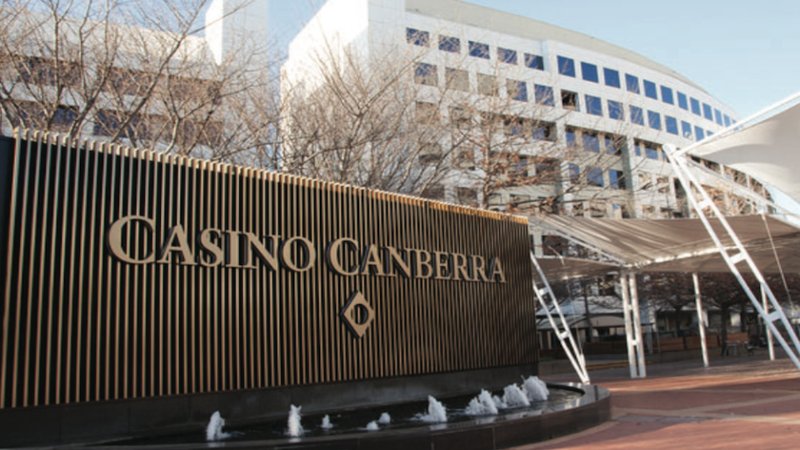
While mobile multiplayer dominates the charts, the same networks also power other digital pastimes. For instance, many players unwind after a match by streaming music or watching short videos. It’s no surprise that the same infrastructure supports the National casino online gaming platform, which has seen a 19 % rise in Australian traffic since the rollout of 5G.
Challenges Ahead: Battery Life and Data Caps
Not everything is smooth sailing. High‑intensity games drain a typical 4000 mAh battery to 20 % in under an hour, forcing players to carry power banks. Data consumption is another pain point: a two‑hour session of a graphics‑heavy title can use up to 1.5 GB of mobile data, which is significant for users on limited plans. Rural gamers, who still rely on 4G, report average latency of 115 ms, making competitive play frustrating.
Developers are experimenting with “low‑bandwidth modes” that reduce texture resolution by 30 % without compromising gameplay. Early testing in Queensland showed a 22 % reduction in data usage while keeping player satisfaction scores above 8/10.
Looking Forward: What to Expect in the Next Two Years
Analysts predict that by 2026, Australia will host at least ten home‑grown mobile multiplayer titles that reach the top 50 globally. Investment in cloud gaming services, such as Google Stadia’s Australian data centers, will allow even low‑end phones to stream high‑fidelity multiplayer experiences without local processing.
For players, the takeaway is simple: the ecosystem is becoming more inclusive, faster, and richer. If you’re still using a 2019 device, consider upgrading now; the performance gains will directly affect how often you win, how long you stay in matches, and how much you enjoy the community aspects of mobile multiplayer gaming.


